Salmon is one of the UK’s most popular seafoods, yet its healthy, sustainable image obscures a troubling reality. As criticism of intensive aquaculture has grown, the industry has leaned heavily on the label “organic”. But this reassurance often functions as greenwashing, diverting attention from the deeper environmental costs of sea-based salmon farming.
Most salmon sold in UK supermarkets is farmed Atlantic salmon from Scotland, alongside imports from Norway, Chile and the Faroe Islands. These fish are raised in open-net pens holding tens of thousands of salmon, where disease, parasites and waste spread freely into surrounding waters. Sea lice and viruses spread to migrating wild fish, while untreated faecal waste and pesticide residues enter coastal ecosystems. Meanwhile, wild Atlantic salmon have declined dramatically, from an estimated 8-10 million in the 1970s to around 3 million today.
Feed is another hidden impact. Farmed salmon consume large quantities of fishmeal and fish oil made from wild-caught fish, alongside soy linked to deforestation. Much of this feed is sourced from the Global South, diverting food from communities to supply wealthy markets.
Why Labels Don’t Fix the System
Organic certification changes little about how salmon are farmed: fish remain in open-net cages, chemical treatments are still permitted, and enforcement is limited. The label reshapes marketing rather than the production model itself.
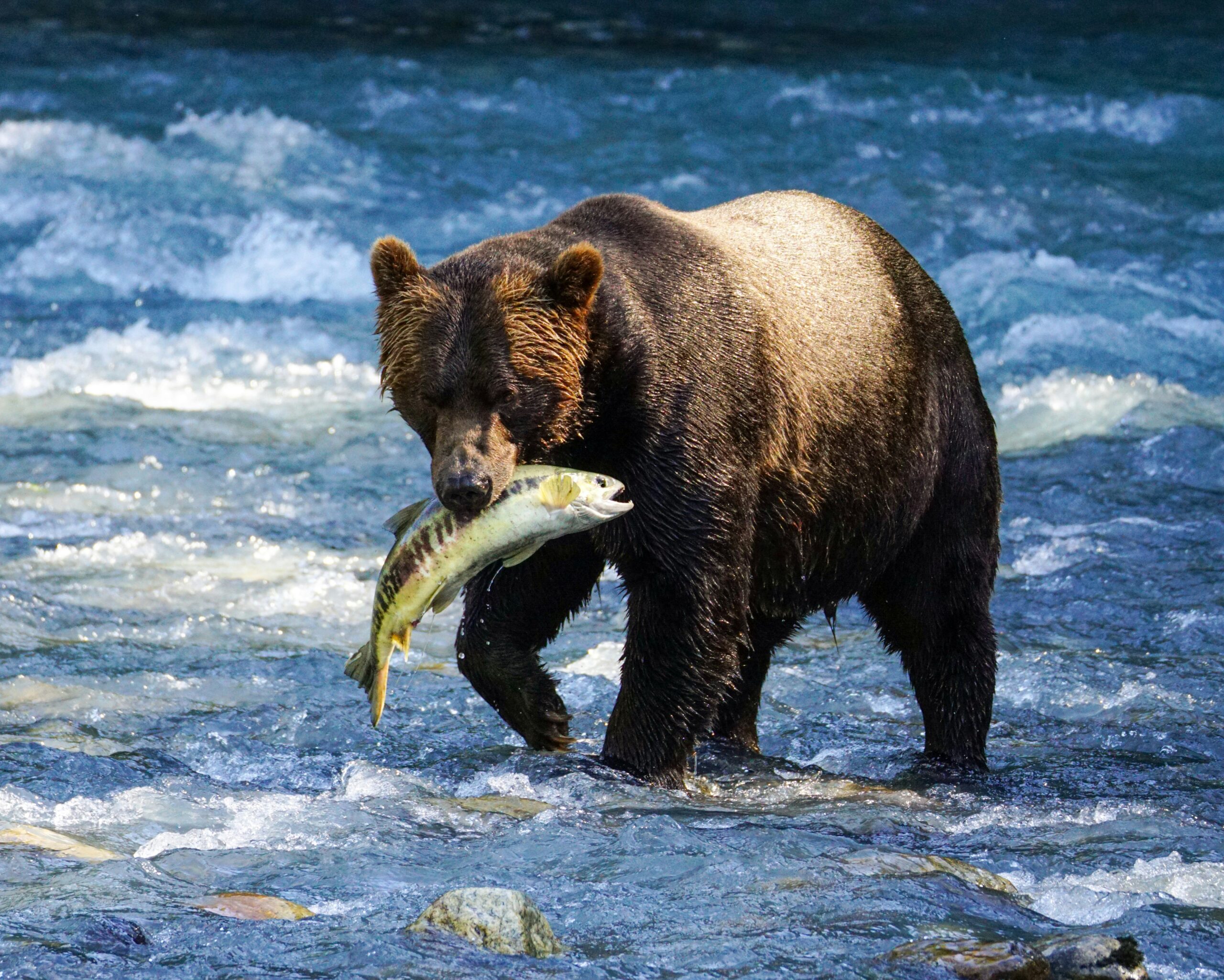
You could buy Wild Pacific Salmon, often MSC-certified, instead. It can be a more responsible choice, though transport emissions and higher prices complicate the picture. Ultimately, the issue is not the wording on the packaging but the industrial system behind it, and the “organic” labels risks reassuring consumers while leaving the underlying environmental damage untouched.
More Info
Live Frankly – The Truth about Organic Salmon