
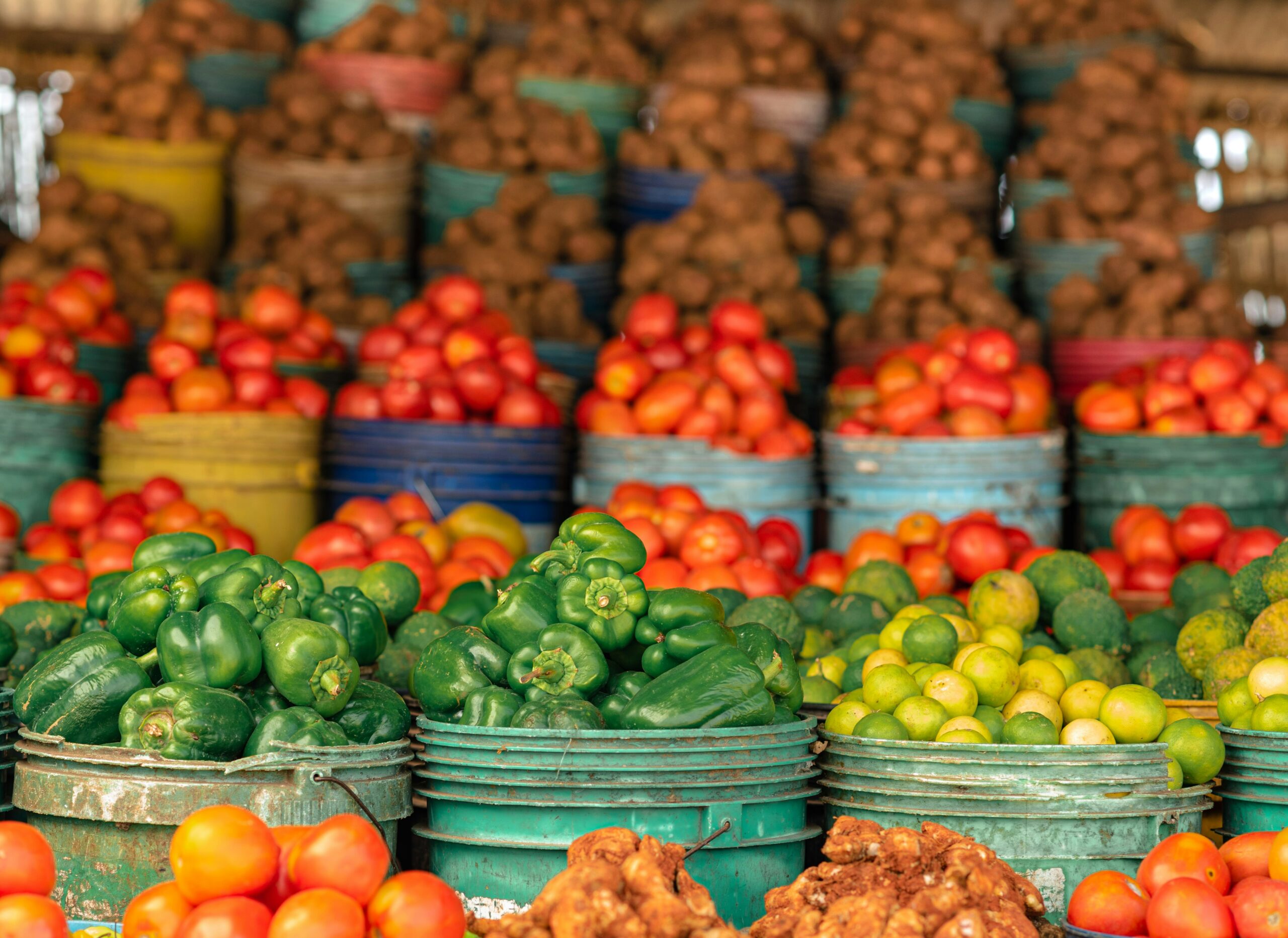
Food accounts for around 30% of global greenhouse gas emissions, making diet one of the most direct ways individuals can reduce their footprint. The good news? Small, realistic changes to what you can eat can add up to meaningful climate benefits. We asked ourselves, what would some famous chefs recommend? This is our guess:
Jamie Oliver
- Swap beef or lamb for chicken or pork. These meats produce far less methane and use 8-10 times less land per unit of protein.
- Choose lower-impact seafood. Opt for mussels, sardines, or herring instead of salmon, tuna, or prawns.
Madhur Jaffrey
- Eat red meat less often. Limiting beef and lamb to no more than once a week can not only reduce your food-related footprint by half or more, it’s also good for your heart.
Hugh Fearnley-Whittingstall
- Add plant-based meals. Beans, lentils, chickpeas, and peas produce up to 36 times fewer emissions than meat.
Small changes to your plate can make a big difference, for the planet, your health and your wallet.
More on Climate Diet:
Meat’s Environmental Impact – Stanford University
‘Planetary Health Diet’ could save 40,000 deaths a day, landmark report finds – The Guardian
